
Boson Ventures: 2026 Australia–China BioInnovation Roundtable Successfully Concluded
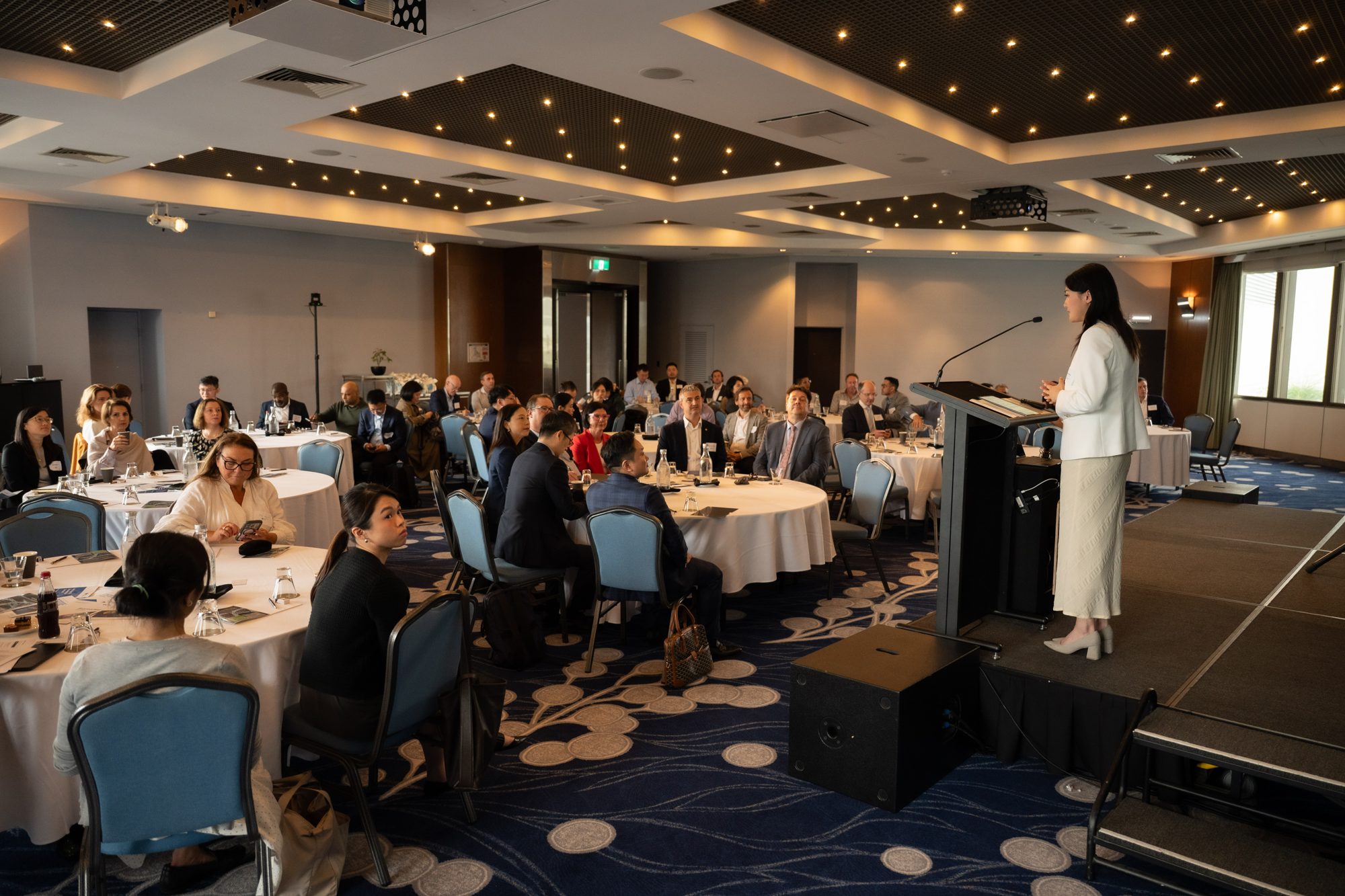
On Monday 19 October 2026, Boson Ventures hosted the third Australia–China BioInnovation Roundtable at the Sofitel Gold Coast, with a simultaneous venue in Shanghai. The event was an official satellite event of AusBiotech's Australia's Biggest Week in Biotech, and brought together leaders from biotech, investment, government, research and professional services across both countries.
Opened by the Queensland Government
The afternoon was opened by Hermann Vorster MP, Assistant Minister for Multicultural Affairs and International Student Attraction for the Queensland Government, who framed life sciences as a priority for the State. Chronic disease and an ageing population put real pressure on government, and in his words "the status quo is no longer sufficient". Meeting those challenges, he said, needs new ways of thinking and new partners.
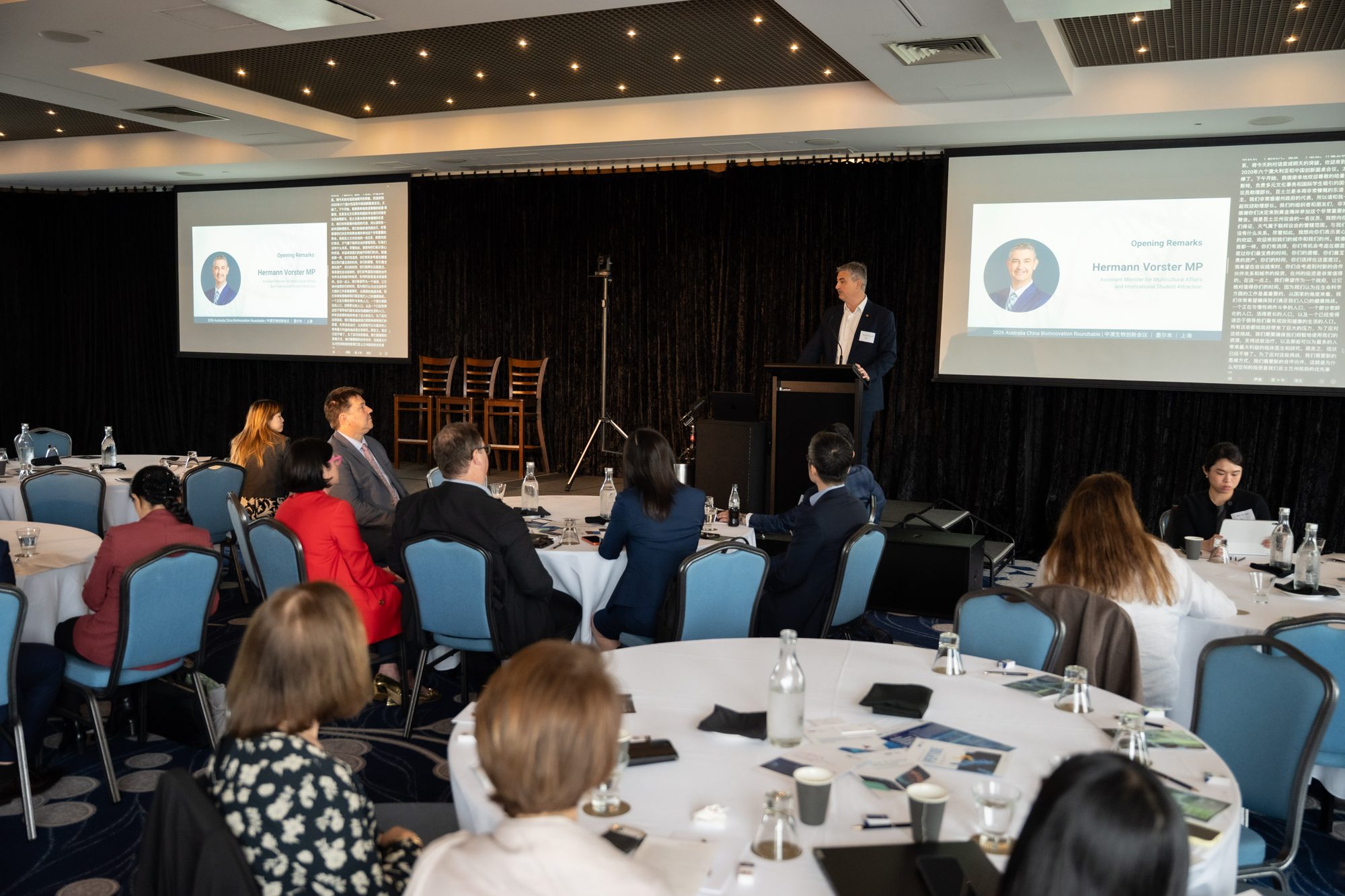
His central theme was trust. Outcomes do not come from a chance encounter at a conference, but from real investment and real partnerships built on real trust, and he asked attendees to have "a conversation you might not otherwise have had". He noted that the problems the sector is working on are global — what is good for Queensland patients is good for Australian, Singaporean and Chinese patients — and that with seven Trade and Investment Queensland offices now operating in China, capital and IP holders seeking clinical research partners should "think Queensland". He closed with a request for continued international student exchange, since the conversations that start in classrooms end up in laboratories and on production lines.
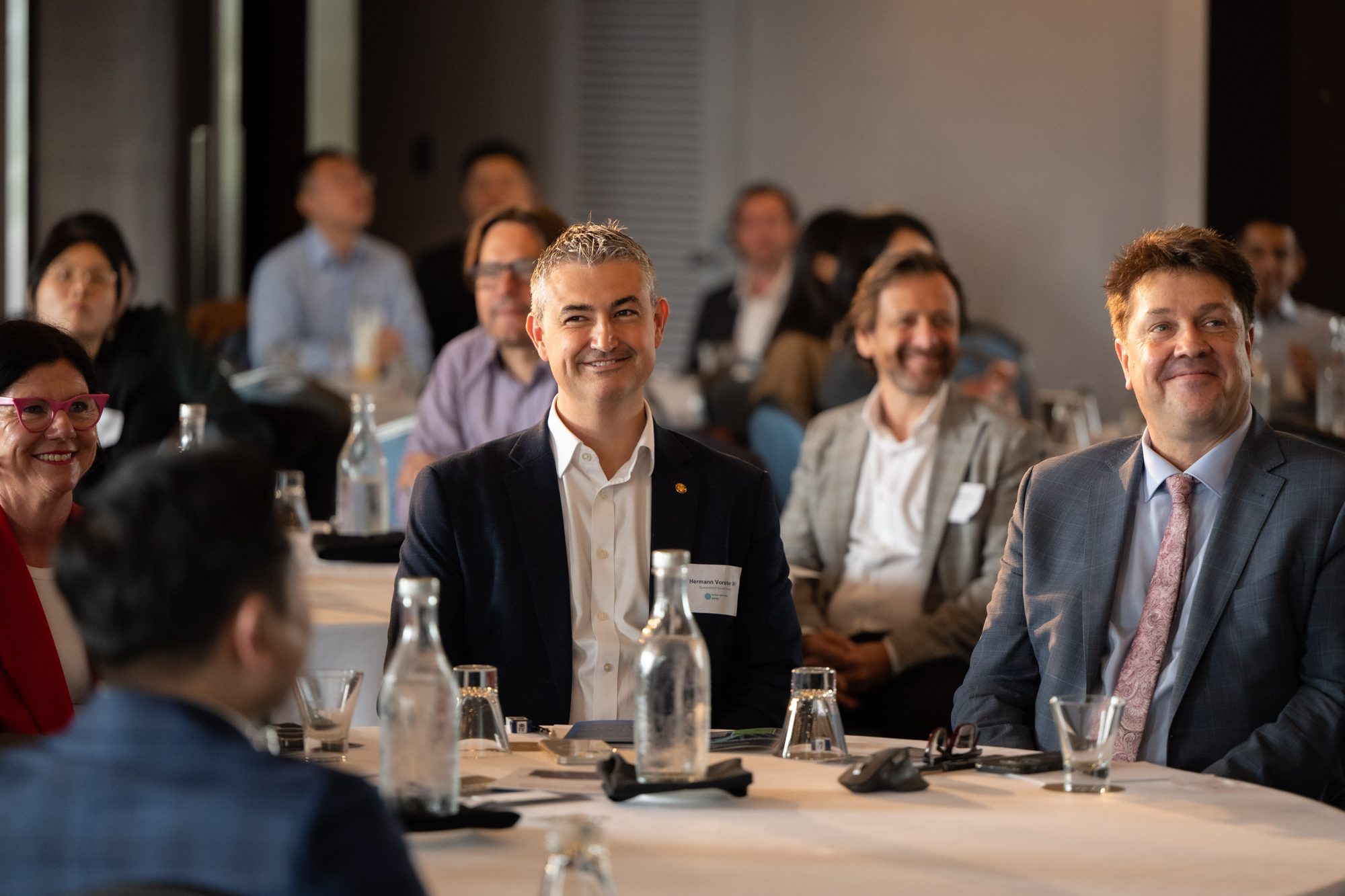
We were grateful to have the Queensland Government open the Roundtable, and we thank the Assistant Minister and his office for their support.
A Speaker Lineup Spanning Government, Industry, Research and Capital
Opening remarks continued from Shanghai with Li Jizong, Deputy Director of the Yangtze River Delta National Innovation Center, who set out the complementary strengths of the two regions. Australia is strong in life-science research, clinical research and early-stage translation, while the Yangtze River Delta offers a complete biomedical innovation and industrial chain, high-level research platforms and an active capital market. He pointed to the Center's existing ties with Australia, including June's China–Australia Innovation Week in Shanghai, which drew more than 200 Australian experts including over 30 academicians and more than 10 university presidents.
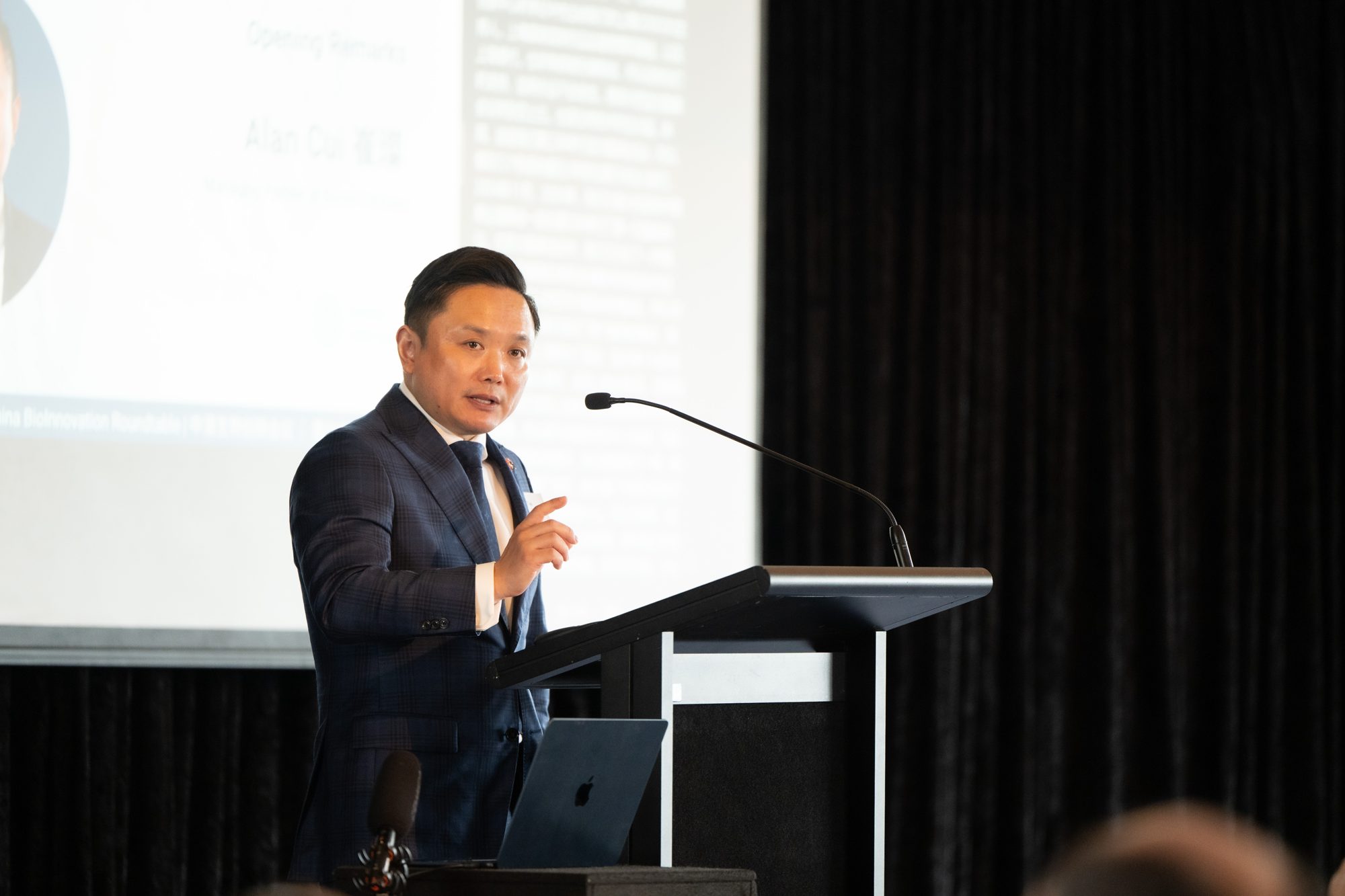
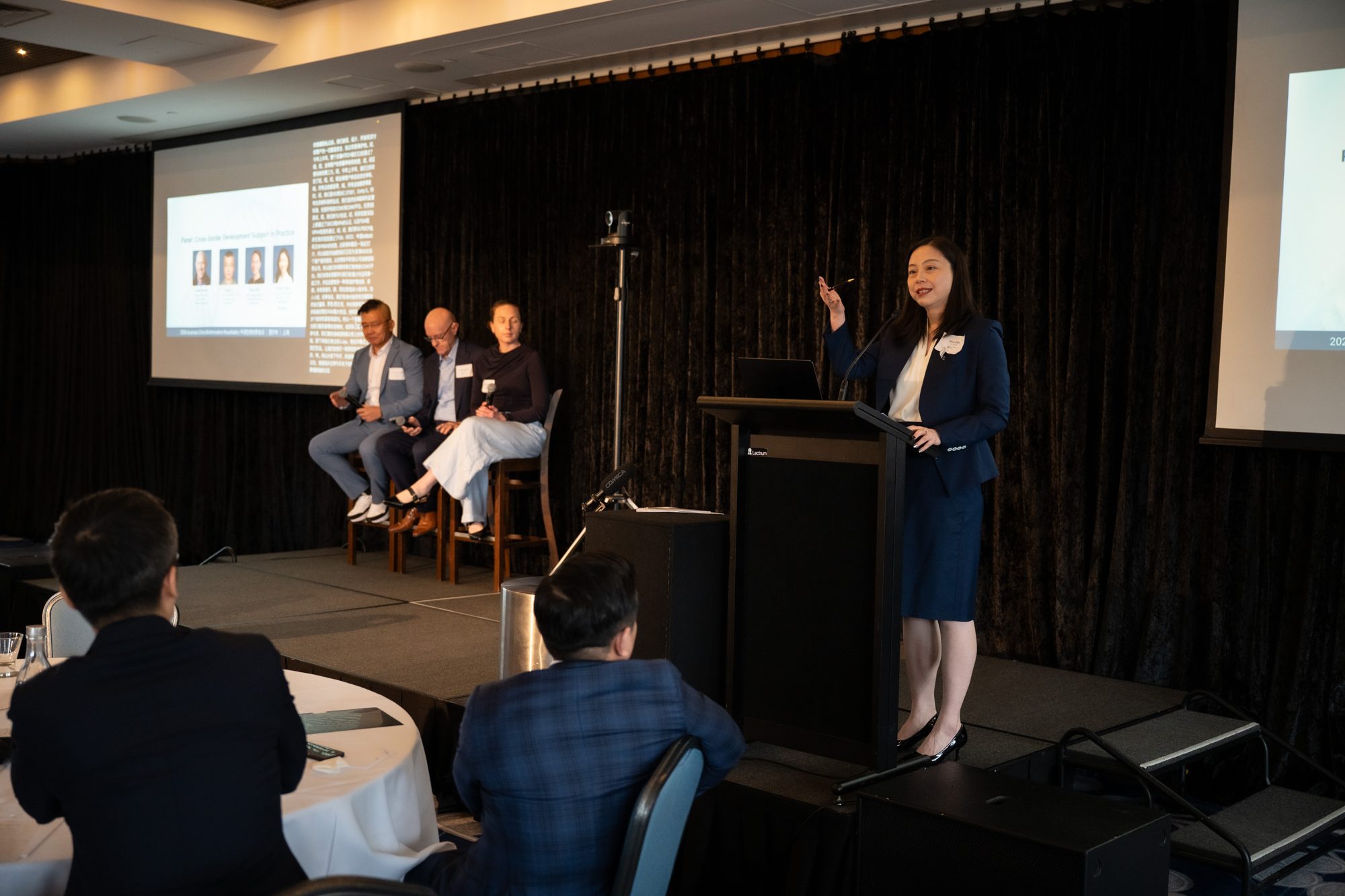
Alan Cui, Managing Partner at Boson Ventures, traced the Roundtable's history from a single-topic meeting in Melbourne in November 2024 to the two-city format it runs today. He illustrated this year's theme, Going Global Together, with a Queensland example: the University of Queensland's Molecular Clamp vaccine platform, taken to market by UniQuest through Vicebio and later acquired by Sanofi for USD 1.15 billion, reported at the time as the largest acquisition of intellectual property out of an Australian university. Getting there took Queensland science, a Queensland commercialisation team, global capital, global development expertise and a global buyer. His argument was that China is an additional option rather than a replacement — another source of capital, another route to development at speed, and another market alongside traditional partners. As he put it, "more choice makes a stronger Australian company, and makes it more likely to stay Australian."
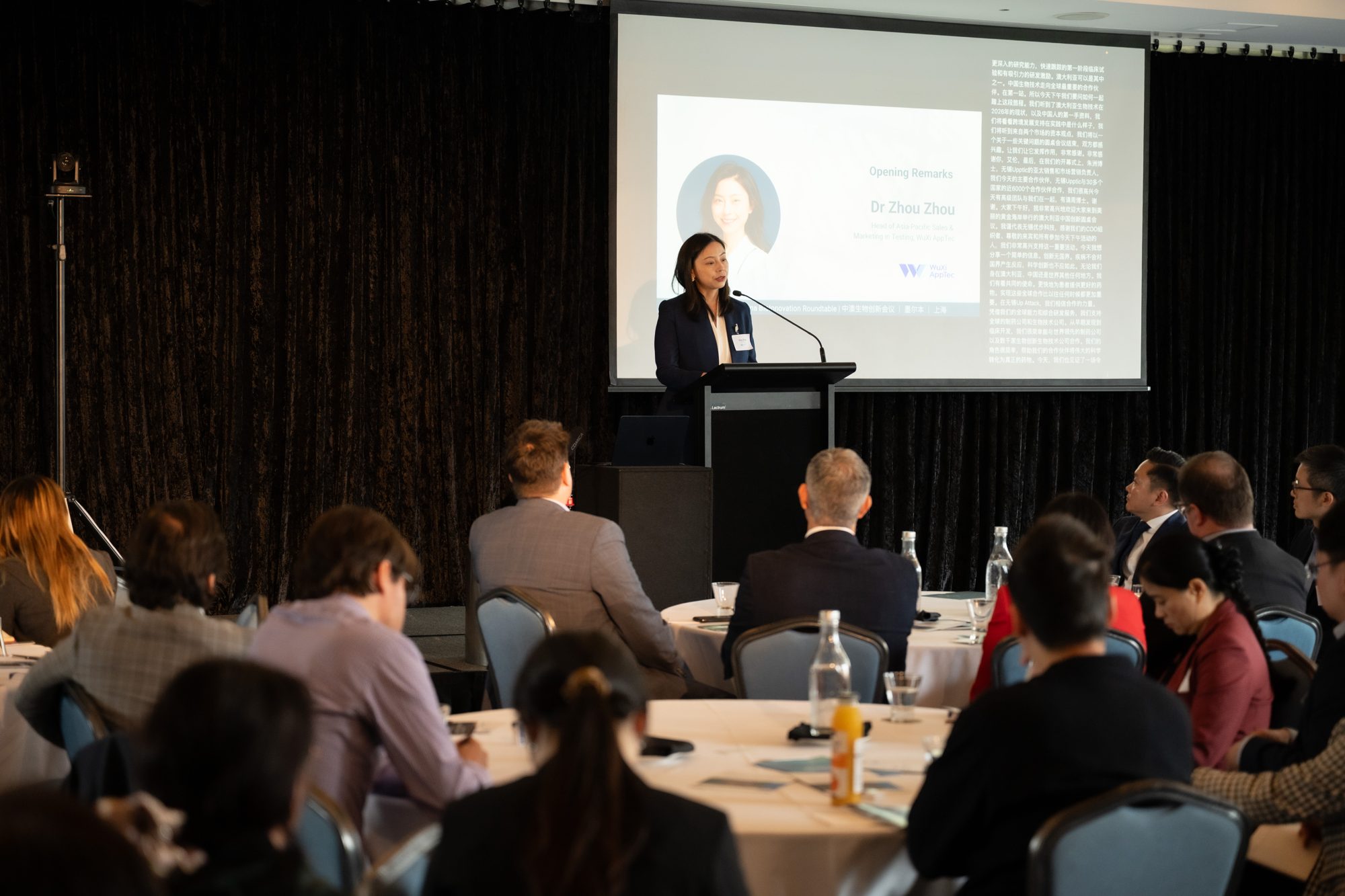
Dr Zhou Zhou, Head of Asia-Pacific Sales & Marketing in Testing at WuXi AppTec, our principal partner, delivered a clear message: innovation knows no borders. With diseases crossing borders, scientific collaboration must do the same. She closed with the line that set the tone for the afternoon: "Science connects us, innovation drives us, and collaboration makes us stronger."
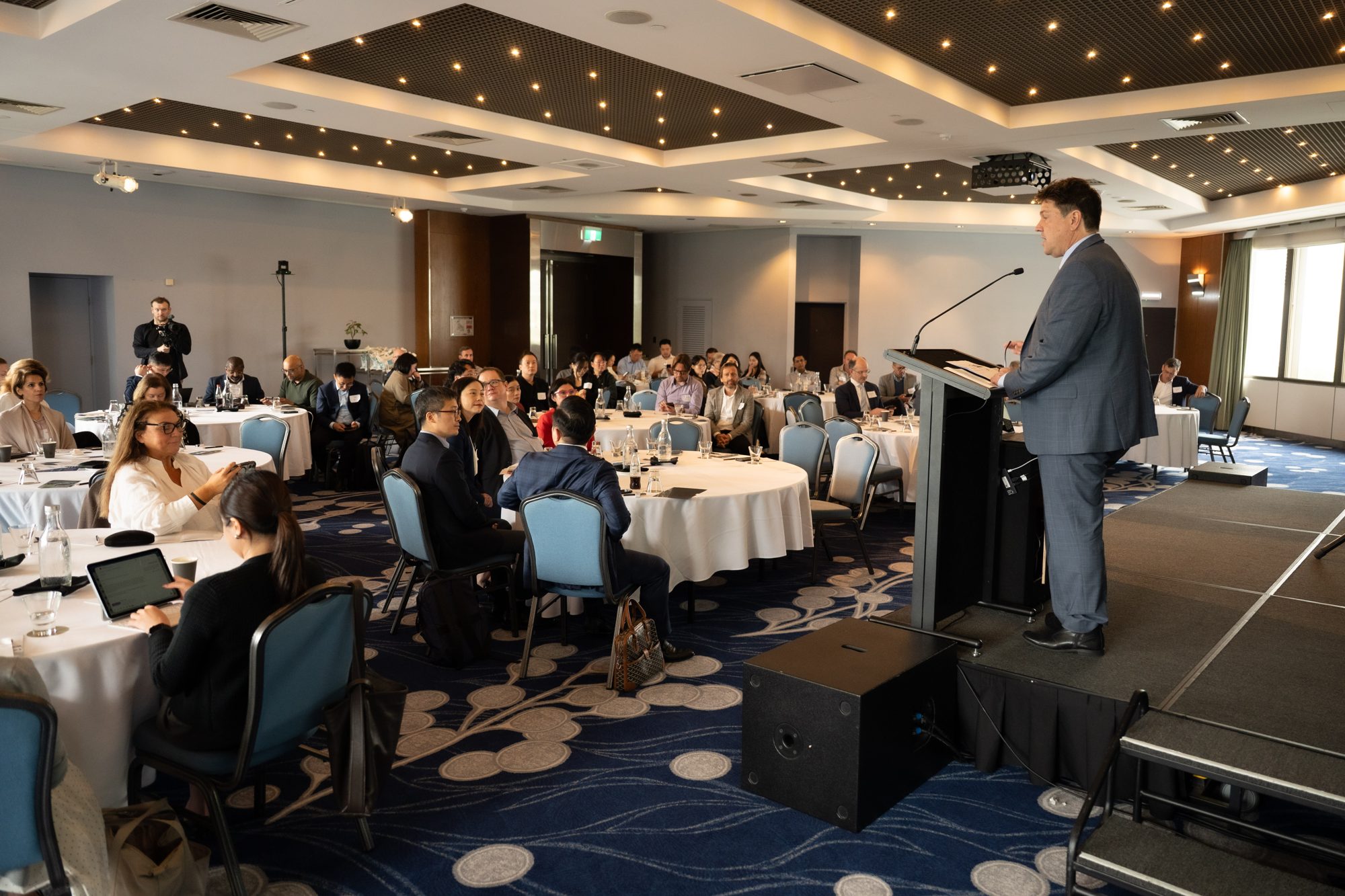
Stuart Dignam, Chief Executive Officer of AUScelerate, gave an honest assessment of where Australian biotech stands in 2026, describing the sector as incredibly innovative, vibrant, growing, and highly dependable in an increasingly volatile world. Citing sector data, he pointed to Australia's ranking of sixth in the world for scientific publications per million people, the AUD 20 billion Medical Research Future Fund endowment, AUD 1.6 billion of clinical trial spend across 1,850 trials, and a CTN scheme under which companies can move from submission to first dose in around two months. On China, he was direct: it is already Australia's second-biggest clinical trial market after the US, and AUScelerate has signed an MOU with the Shanghai Center of Biomedicine Development. His advice to companies was simple — "if you're not born global, you're really going to struggle."
Ru Tao, Managing Director of Shanghai Guotou Xiandao Fund, gave a first-hand account of seventeen years in China's pharmaceutical sector. He described how the logic of investing in Chinese biotech has shifted from listing to business development, noting that on his account out-licensing income since the start of 2025 has exceeded what the sector raised across primary and secondary markets. He saw a clear role for Australia: once a Chinese asset has a candidate molecule, Australian clinical efficiency can generate the overseas data that lifts its global BD value.
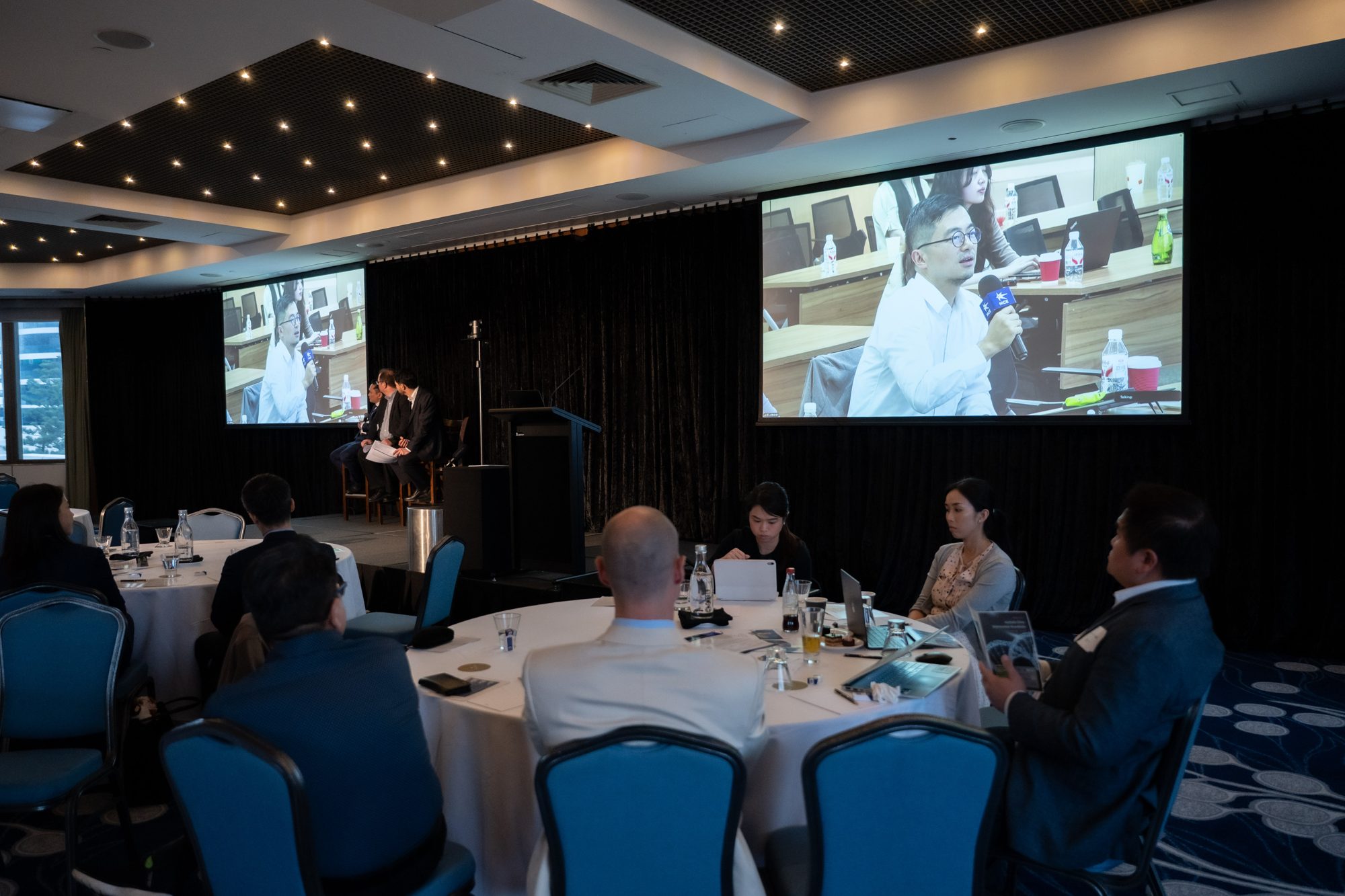
Three Panels, and the Practical Questions Companies Actually Ask
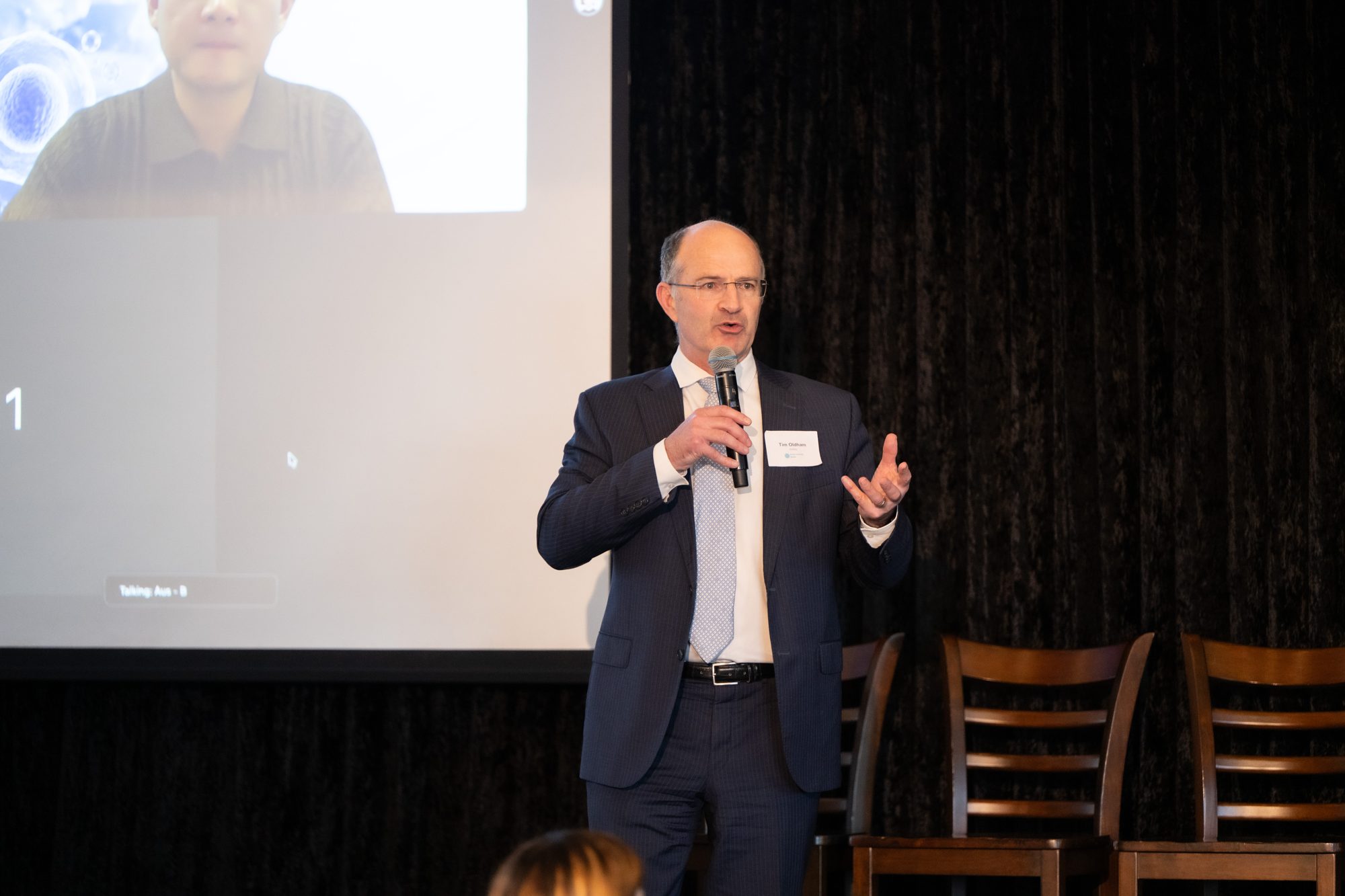
The first panel, moderated by Lynne Bian, Marketing and Partnership Manager at Boson Ventures, brought together operators who have already built across the border: Dr Tim Oldham, Chief Executive Officer of AdAlta; Mike Wheatcroft, Vice President of Discovery Sciences at Telix; Riddick Jie, Director of Aeterna Health; and Dr Jiang Ni, Head of AI at Suzhou Jiashu Medical Technology. Asked what they had underestimated about working across the two markets, every panellist came back to people. Tim Oldham said there was no substitute for spending time on the ground and wished AdAlta had gone harder and faster, earlier. Mike Wheatcroft observed that Western business culture can be largely transactional while Eastern cultures tend to be more people-centric, and that understanding how decisions and alignment happen is essential. Riddick Jie made the point that agreement at executive level is not enough, and that what matters is operational readiness across the technology package, regulatory work and CMC.
The Technical Clinic, hosted by WuXi AppTec, took on the questions founders most often need answered: what cross-border drug development really costs, how long it takes, and whether Australian companies can still claim the R&D tax incentive when activities are conducted overseas. Peter Devine, Company Director at Kinoxis Therapeutics and former Chief Executive Officer of Uniseed, opened by citing data indicating that around half of in-licensing deals into US pharmaceutical companies in the first half of 2026 originated in China. Speaking to a common misconception, he said that the existence of an Australian supplier does not automatically rule out an overseas finding, and that an overseas provider may still qualify where it has greater expertise, subject to the applicable eligibility requirements. Frank Li, Executive Director of In Vivo Pharmacology at WuXi AppTec, set out a framework for successful out-licensing built on a differentiated product, clinical data, quality assurance and compliance, and a well-negotiated deal structure, noting that the goal is not necessarily to be first-in-class but to be meaningfully differentiated. Rosie Silk, Senior Manager of R&D Tax and Government Incentives at RSM Australia, explained Australia's Advance and Overseas Finding mechanism, which, subject to eligibility requirements, can allow companies to claim the Australian R&D tax incentive for qualifying activities conducted overseas. Peter Devine added the investor's view: across twenty-five years of Uniseed investments, he estimated the R&D tax incentive had delivered roughly ten times more capital to its biotech companies than all other Australian grant schemes combined. R&D tax incentive eligibility depends on individual circumstances, and companies should seek their own professional advice.
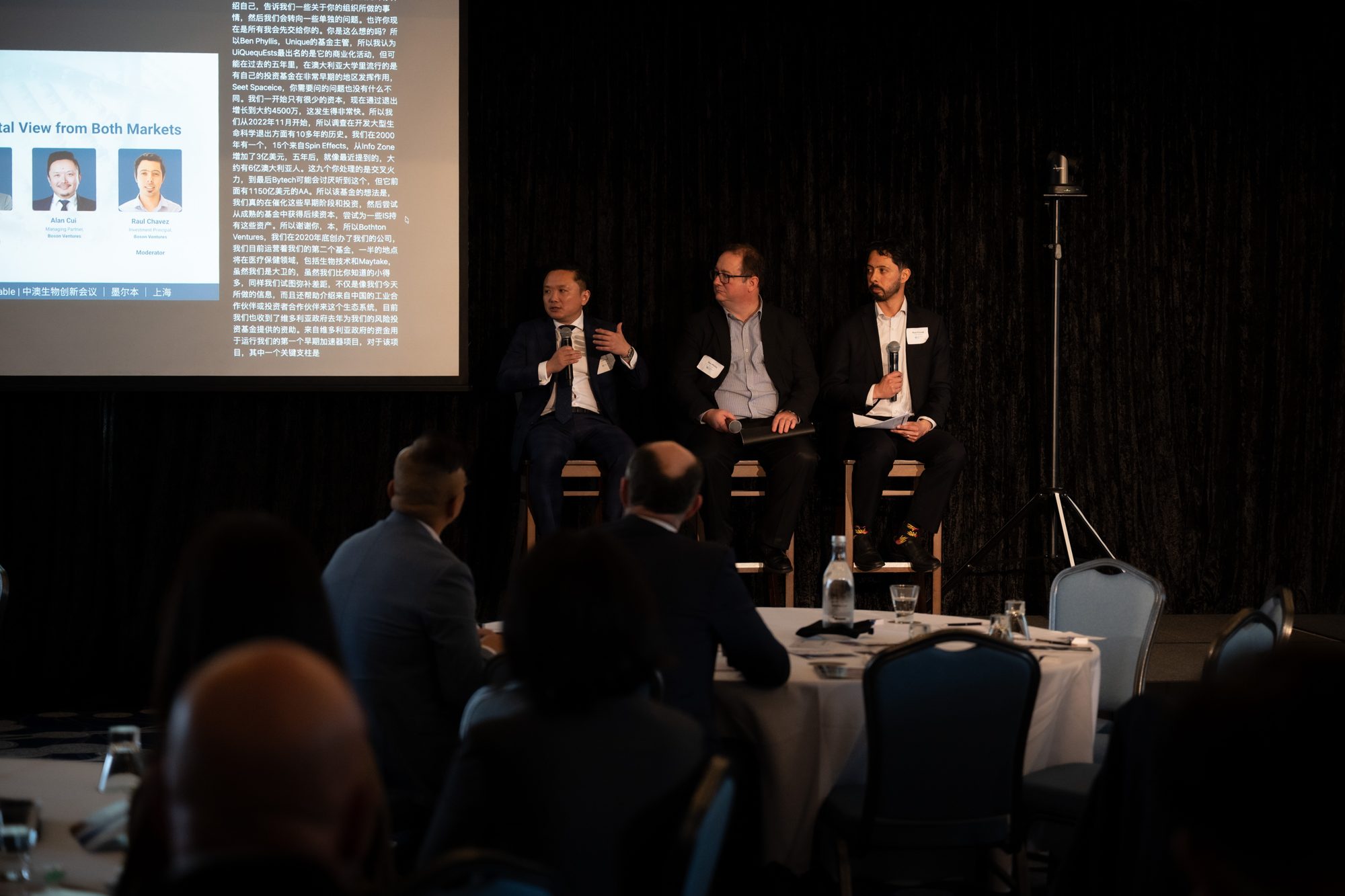
The closing investor panel was moderated by Raul Chavez, Investment Principal at Boson Ventures, with Ben Phillis, Head of Investment Fund at UniQuest; Alan Cui; Ru Tao; and Jiang Houjia, Founding and Managing Partner of Hongsheng Capital. Ben Phillis offered a test for any co-investor — if they were not bringing cash, would you still work with them — and advised founders to start with the end in mind, prioritising markets on the basis of the primary market, the regulator and the data package required. Jiang Houjia named the three real barriers to cross-border investment as communication, legal complexity and moving RMB capital offshore. For Alan Cui, the gap is mindset more than information, and Chinese investors and industry partners are pragmatic: signing an MOU and disappearing for a year erodes trust, while following up with a clear next step builds it.
More Than 100 Senior Representatives Across Two Cities, and Close to 60,000 Online
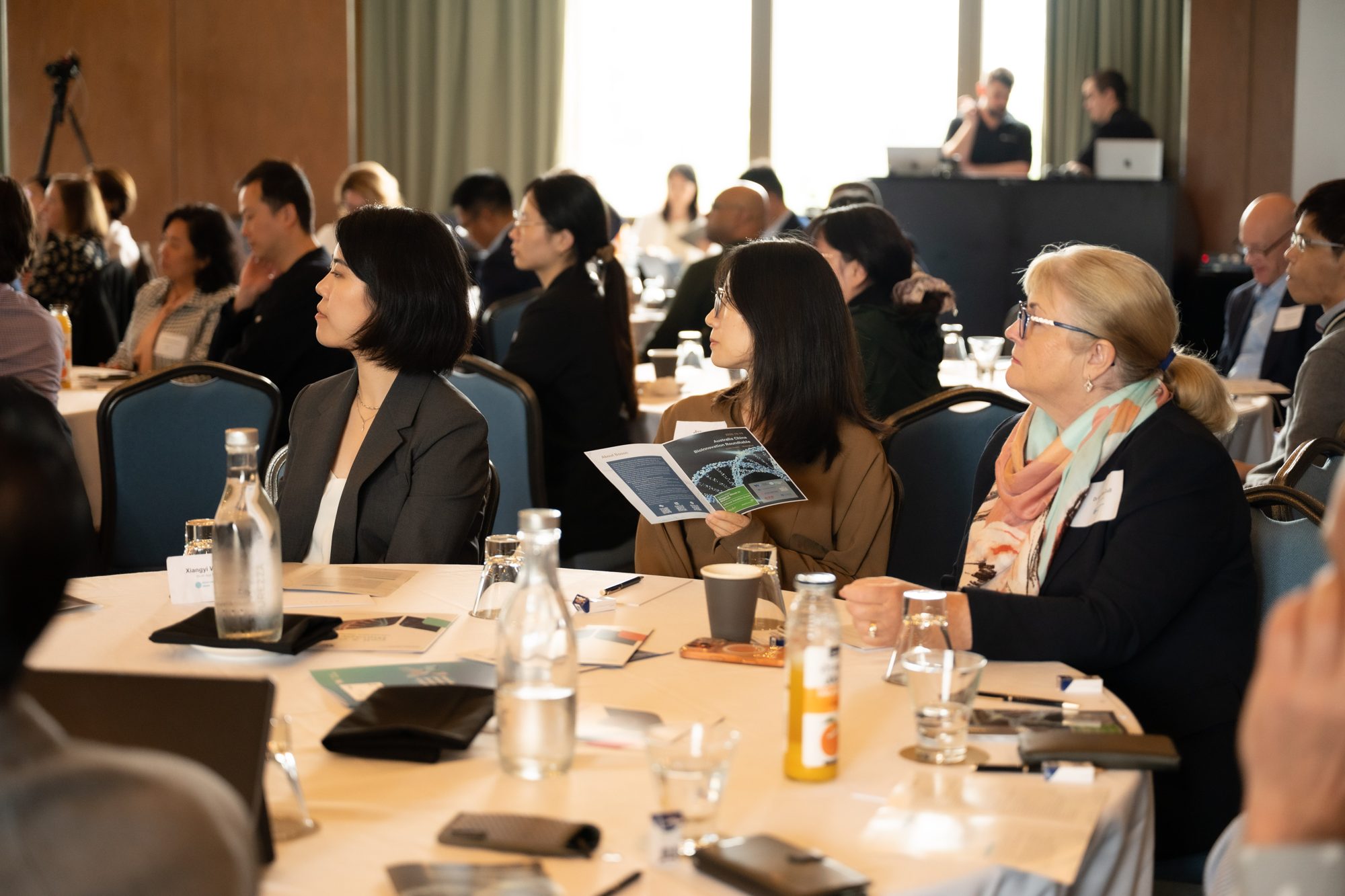
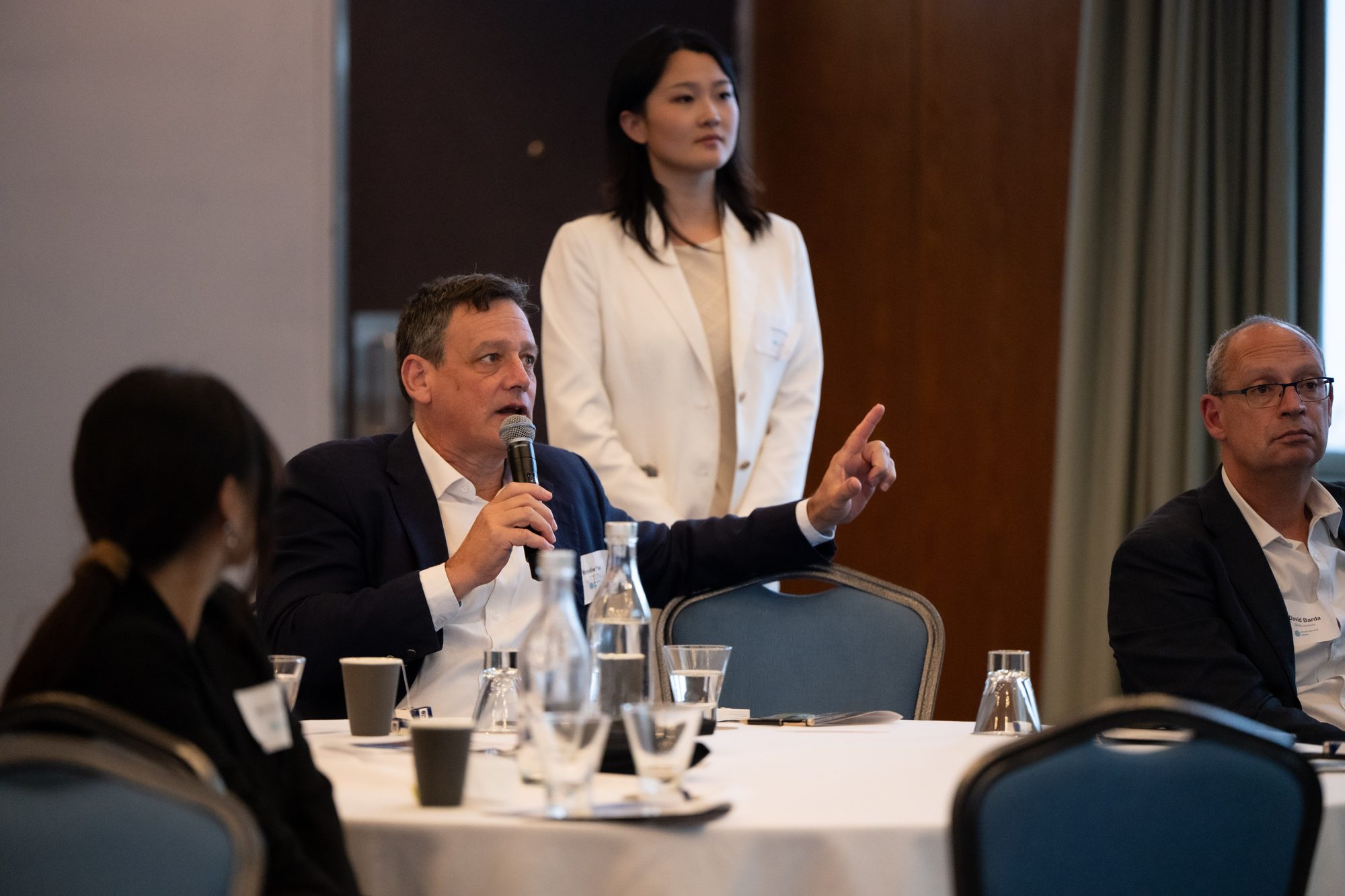
The Roundtable brought together more than 100 senior representatives in person across the Gold Coast and Shanghai venues, with the livestream in China reaching close to 60,000 views. Attendees came from biotech and medtech companies, research institutes, investment funds, government agencies and professional services firms in both markets, and the afternoon was built around short set-pieces and long conversations rather than back-to-back presentations.
About Boson Ventures
Boson Ventures is a Melbourne-based venture capital firm investing in deep tech and life sciences at pre-seed and seed stage, with a strategy of backing Australian source innovation and scaling it through Asia. Fund I, a 2021 vintage, has made its first distributions to limited partners. The firm's second fund, the Boson Newton Fund, is an Early Stage Venture Capital Limited Partnership investing in biotech, advanced materials and AI for science. Information about the Boson Newton Fund is available to investors who qualify as wholesale clients under section 761G of the Corporations Act 2001 (Cth).
This Roundtable is part of how we work. Closing the information gap between the Australian and Chinese innovation communities is directly connected to how we source, support and scale the companies we back, and events like this one are where those relationships begin.
Looking Forward
We thank our principal partner WuXi AppTec, our co-hosts the Yangtze River Delta National Innovation Center and Shanghai Guotou Xiandao Fund, our sponsor Bank of Shanghai, our media partner 医学界 (Yixuejie), and AusBiotech for hosting us as an official satellite event of Australia's Biggest Week in Biotech. We also thank the Queensland Government and Assistant Minister Hermann Vorster MP for opening the afternoon, and every speaker, panellist and attendee who gave us their time across the Gold Coast and Shanghai.
Looking ahead, we are committed to deepening Australia–China innovation and technology cooperation, and we look forward to bringing the Roundtable back in 2027.
For more information about the Roundtable or future Australia–China bio-innovation initiatives, contact us at hello@boson.vc
加入我们的社区!
掌握我们的最新洞察与资讯。

